





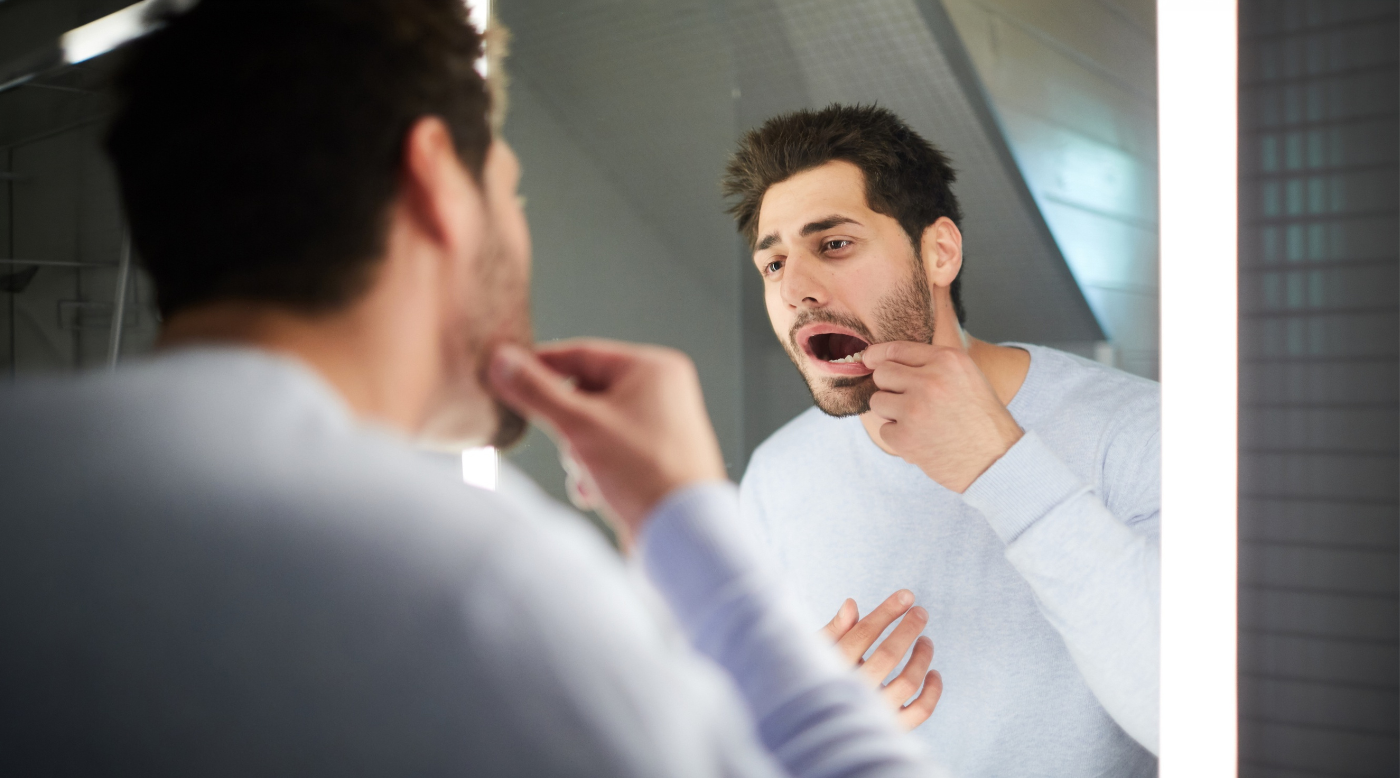
Do you know that unpleasant feeling when you run your tongue over your teeth and they suddenly feel rough, furry, or somehow "odd"? Many people experience exactly this, even though they brush their teeth regularly. Often, this immediately causes uncertainty. Did I not brush thoroughly enough? Is tartar starting to form? Or is there something wrong with my tooth enamel?
In this article, we explain why your teeth can feel rough even though you take your oral hygiene seriously. We look at the role biofilm, mineralization, and sensitive tooth surfaces play, why teeth sometimes feel strange even after brushing, and when this feeling can actually be due to a dental cause. At the same time, you'll learn why the feeling on your teeth doesn't always directly indicate "clean" or "unclean" teeth.
Why teeth can feel rough despite brushing
Many people know the feeling: you brush your teeth thoroughly, and yet they feel rough, dull, or furry to your tongue. This quickly causes uncertainty, as you usually expect a smooth feeling in your mouth after brushing.
Often, so-called biofilm is behind it. This is a thin layer of bacteria, saliva components, and food debris that constantly forms anew on the teeth. This process begins again a short time after brushing and is initially completely normal. The tongue often perceives these fine coatings earlier than they can even be seen.
Many affected people describe the feeling with statements like "my teeth feel rough despite brushing," "my teeth feel furry," or "my teeth feel rough on the inside." Additionally, minerals from saliva can harden soft deposits over time. This creates rougher surfaces that can be considered a precursor to tartar. The interdental spaces and areas near the gums are particularly affected.
Sometimes, however, the cause lies in the way you brush. Too much pressure or abrasive toothpastes can make the tooth surface feel more sensitive. The teeth then don't necessarily feel dirty, but rather unusual or dull.
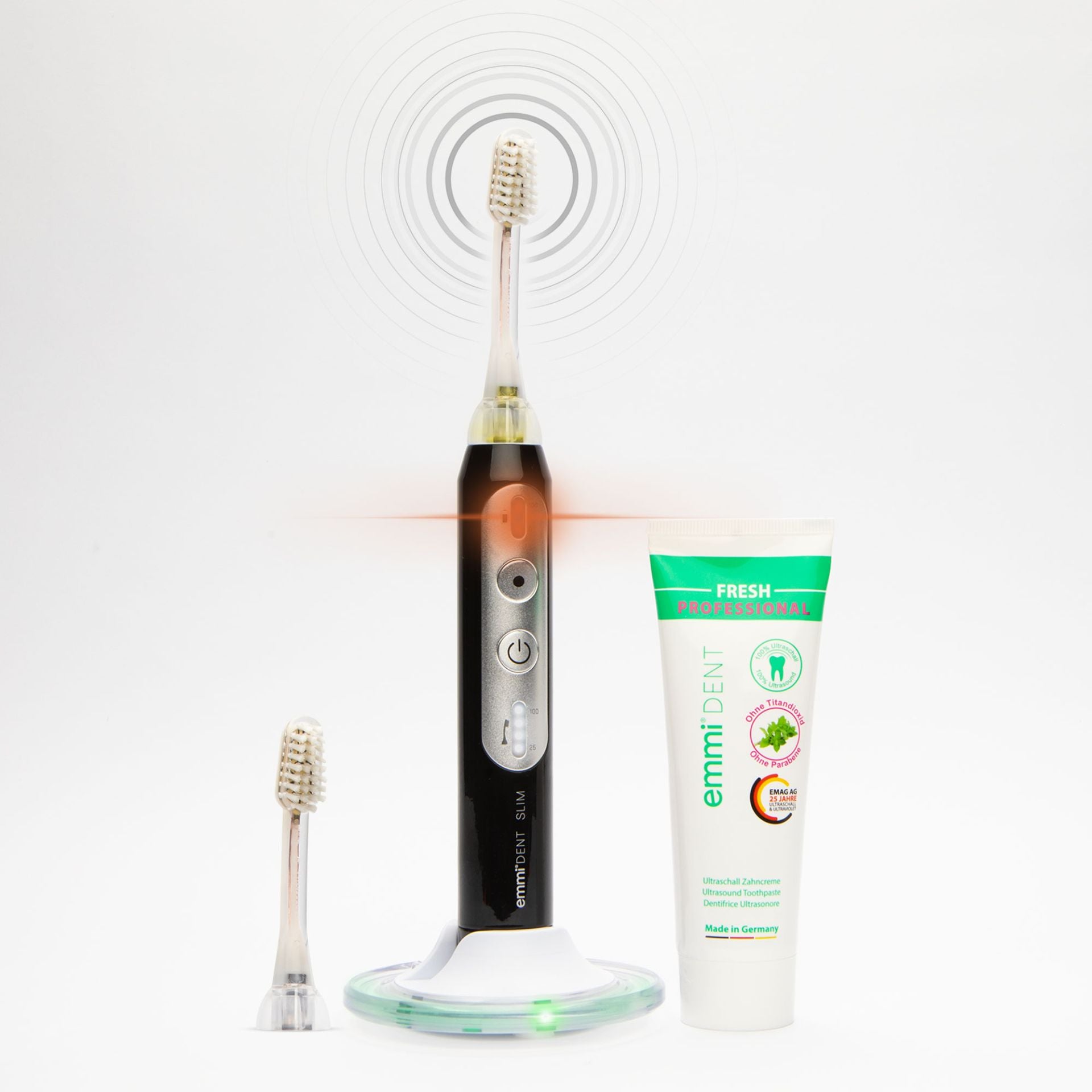
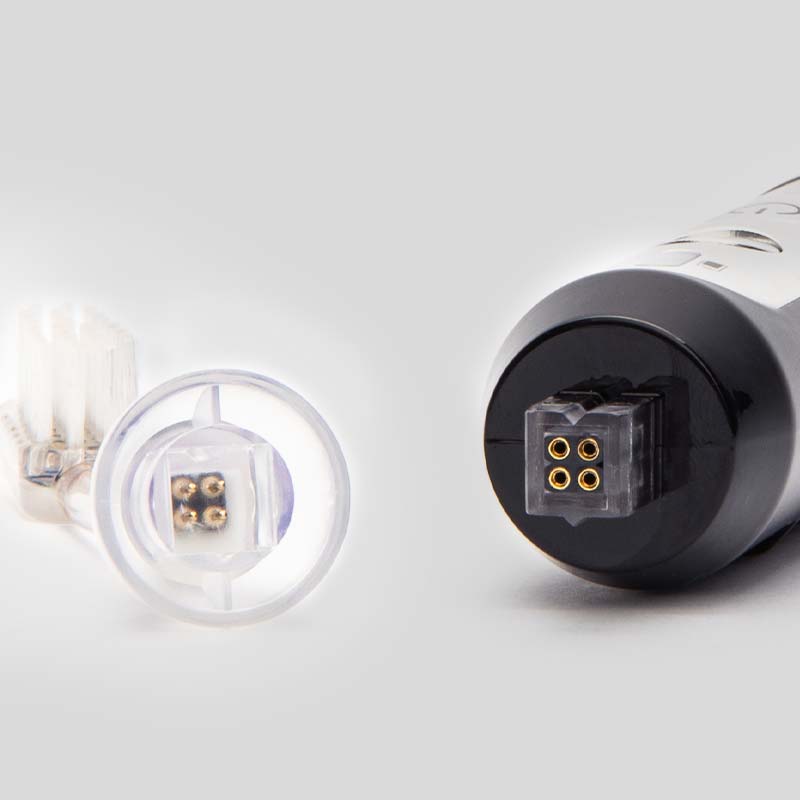
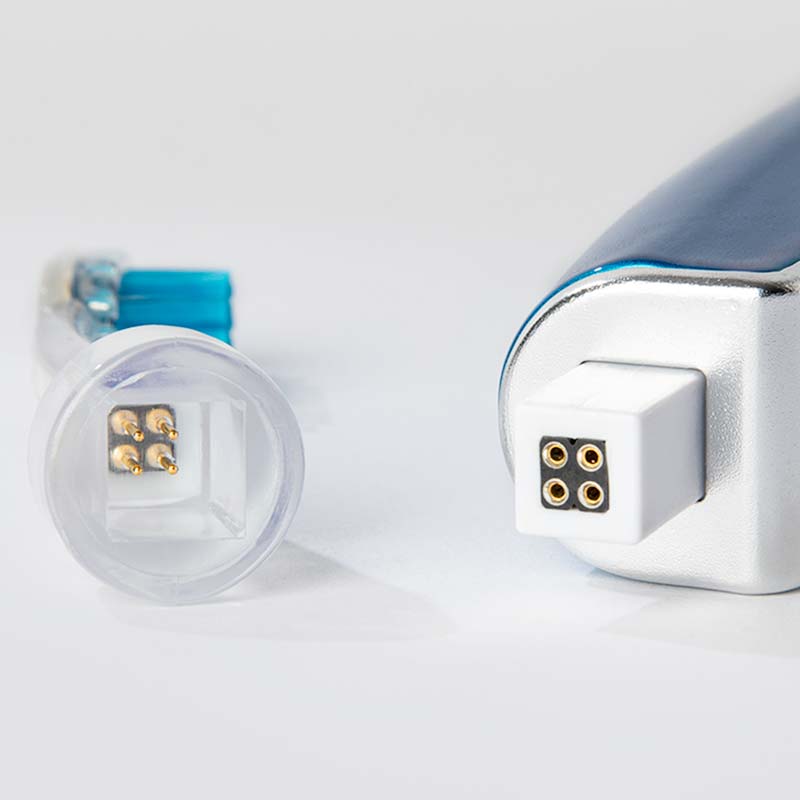
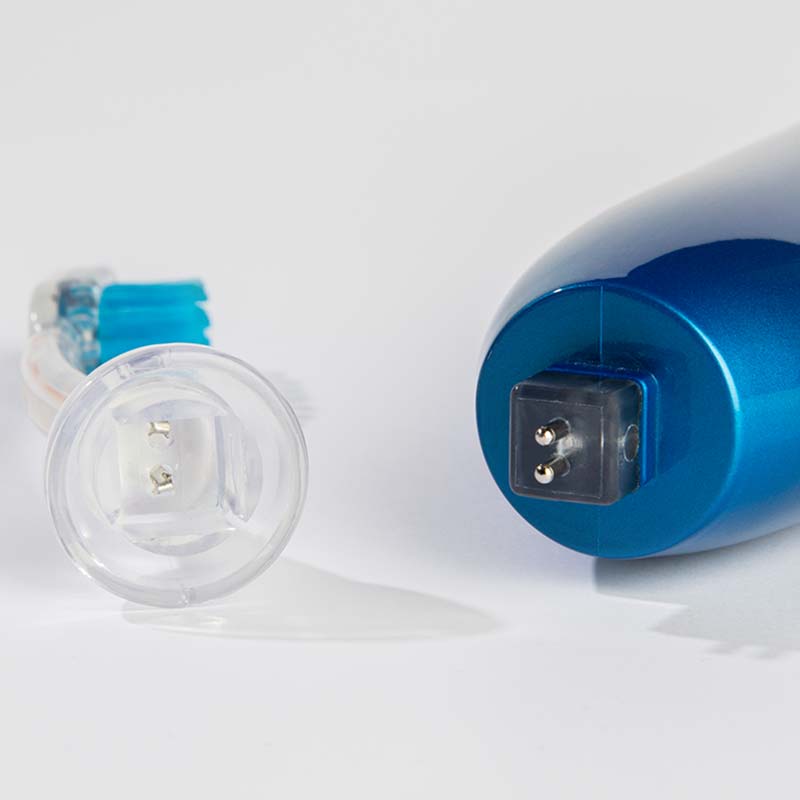
Especially sensitive gums often benefit from the gentlest possible cleaning. Our emmi-dent Slim ultrasonic toothbrush is therefore used by many people as a supportive addition because it works without classic scrubbing movements and can reduce bacterial plaque particularly gently.
Why teeth can sometimes feel even rougher after brushing
It is particularly irritating when teeth feel rough immediately after brushing or even after a professional dental cleaning. In fact, this is often more harmless than many people think.
Often, after the removal of plaque, the tongue simply perceives the natural tooth surface more strongly. Before, there were fine deposits on the teeth; afterwards, you suddenly feel every small structure more clearly. Many people initially describe this feeling as strange or unusual.
Dry mouth can also play a role. If there is too little saliva, teeth quickly feel dull or furry. This particularly affects people who drink a lot of coffee, breathe through their mouths at night, or are under stress.
However, if the rough feeling persists permanently or if gum bleeding, bad breath, or pain also occur, the cause should be clarified by a dentist.
What biofilm actually is and why it feels so stubborn
The term biofilm initially sounds technical, but it describes something completely everyday. Everyone has biofilm in their mouth. This is a thin layer of bacteria, proteins, salivary components, and tiny food residues that continuously forms on the teeth.
It is important to understand: biofilm does not only form after days of poor oral hygiene. It begins again a short time after brushing. That's why teeth can feel rough in the morning, even though you thoroughly cleaned them the evening before.
The problem is less the biofilm itself, but its development. If it persists longer, it changes. The bacteria multiply, metabolic products are formed, and the layer becomes denser. At the same time, minerals from saliva are deposited. This is exactly why the tooth surface increasingly feels rough or furry.
Many people immediately think of visible yellow deposits when they hear "plaque." In fact, biofilm is often almost invisible at first. However, the tongue detects it very early. Therefore, the feeling "my teeth feel strange" is often one of the first signs that bacterial plaque has accumulated more.
Particularly affected areas are:
- along the gum line
- between the teeth
- behind the molars
- on hard-to-reach inner surfaces
- around dental prostheses or retainers
Normal brushing is often not entirely sufficient in these areas. This doesn't mean you're doing anything wrong. The anatomy of the mouth simply means that some areas are more difficult to clean than others.
Therefore, the combination of a gentle toothbrush, good technique, and supplementary cleaning plays a big role. Especially people with sensitive gums often try to avoid strong pressure. Our emmi-dent Slim ultrasonic toothbrush is often used as a supportive option to gently reduce bacterial plaque without having to apply strong mechanical pressure.
Nevertheless, it is also clear here: if teeth suddenly change significantly, become sensitive, feel sharp, or if pain also occurs, a dental examination should always be carried out. Because not every rough feeling is caused exclusively by biofilm.
When rough teeth can indicate tartar, enamel problems, or other causes
Soft deposits are not always the only culprit. Sometimes teeth feel rough because tartar has already formed. This is when deposits harden due to minerals from saliva. The surface becomes rougher, and new bacteria can more easily adhere.
Acidic drinks, reflux, or very aggressive dental care can also damage tooth enamel in the long term. Some people then additionally feel that their teeth are sharp, foreign, or sensitive.
Such changes should be taken seriously, especially if they appear suddenly or persist for a long time. A dentist can determine whether there are actually changes requiring treatment or whether only deposits and irritations are the cause.
How you can support a smooth feeling in your mouth long-term
Many people react to rough teeth by brushing harder. This is often counterproductive. What matters is not more pressure, but thorough and at the same time gentle cleaning.
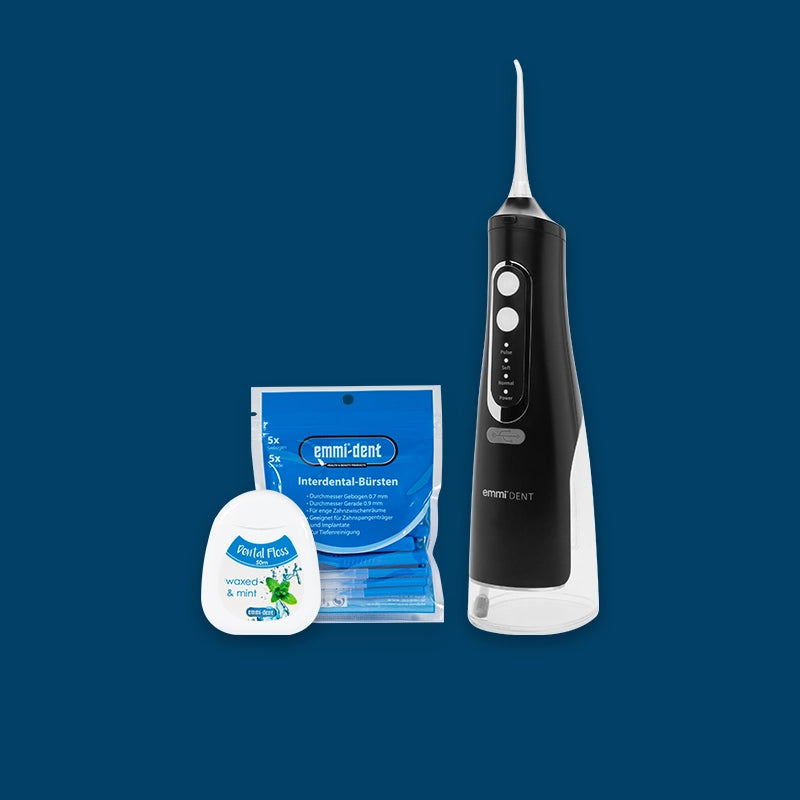
The interdental spaces, in particular, play an important role because biofilm easily settles there. The tongue also influences the feeling in the mouth more than many people think, as numerous bacteria can accumulate there.
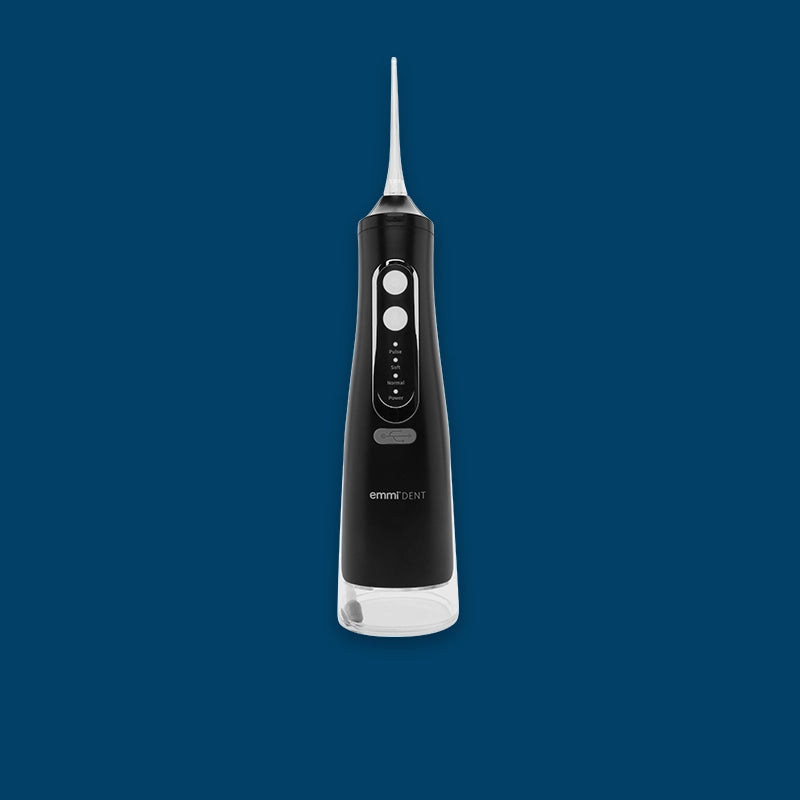
Especially with sensitive tooth surfaces, many people today opt for the gentlest possible dental care. Our emmi-dent Slim ultrasonic toothbrush can be used to gently reduce bacterial plaque and comfortably clean hard-to-reach areas.
If your teeth consistently feel rough, sensitive, or unusual, a professional examination is always worthwhile. Because our mouth often reacts very early to changes, and that's precisely why such signals should be taken seriously.