







You run your tongue over your teeth and something feels different. Yesterday they still felt smooth, but today, certain areas suddenly seem dull or even a bit rough. You might notice it first on your lower front teeth, on the inside of your teeth, or exactly where your tongue keeps snagging. At first glance, however, there is hardly anything to see.
Our tongue is surprisingly good at perceiving the smallest changes in the mouth. Therefore, a surface does not need to have changed significantly for you to notice it. Even a thin film can be enough for a tooth to no longer feel as smooth as usual. At the same time, not every rough spot is automatically dental plaque. Tartar, changes in the tooth enamel, small uneven areas, or the edges of fillings can also cause your tongue to suddenly snag on a spot.
What is interesting, therefore, is not just that your teeth feel dull. The crucial point is when this feeling occurs, whether it disappears after brushing, and whether the same spot is always affected.
In this article, we explain why teeth can suddenly feel dull or rough, what role bacterial film and the tooth surface play in this, and how you can adapt your daily dental care accordingly.
Why a clean tooth feels different from a coated tooth
When you run your tongue over freshly cleaned teeth, they usually feel smooth. This is not because tooth enamel would be a perfectly flat surface under a microscope. Rather, the sensation changes as soon as a film forms on this surface.
A very thin layer of saliva components forms on the teeth shortly after brushing. This so-called pellicle is part of the natural process in the mouth and is constantly regenerating. Bacteria can subsequently attach to it. Together with other components, this develops over time into a soft bacterial dental film, which you know as plaque.
Depending on how thick this film is and where it is located, the tooth surface can feel duller to your tongue. You often notice such changes particularly well where the toothbrush does not reach as easily. This can include areas at the gum line, the inside of the teeth, or hard-to-reach areas in the back of the mouth.
Sometimes the dull feeling is noticeable after a long day. You have eaten, drunk coffee, perhaps had a sweet snack in between, and haven't brushed your teeth since the morning. The fact that they feel different in the evening than immediately after your morning dental care is therefore not necessarily unusual.
It gets more interesting if a spot remains permanently rough even after thorough brushing. In that case, you should not automatically assume that you just need to brush harder. Because a surface that cannot be brushed away may have a completely different cause.
When the rough spot simply remains after brushing
You brush your teeth thoroughly, run your tongue over the spot afterward, and it still feels exactly the same as before. This is precisely where it is worth distinguishing between a soft film and a genuinely altered surface.
Bacterial plaque can be reduced through careful daily oral hygiene. If, on the other hand, a film has already mineralized and tartar has formed, you cannot simply brush it away at home. Often, tartar is noticed with the tongue even earlier than in the mirror. The affected area can feel hard, uneven, or rough. Tartar forms particularly often in areas where there is a lot of saliva, for example, on the insides of the lower front teeth.
However, it does not always have to be tartar. You might feel the edge of a filling that you never consciously perceived before. Small changes on the tooth surface can also suddenly become noticeable. Acids from food and drinks can affect the tooth enamel. Likewise, grinding or other mechanical stresses can leave marks. Even a small chipped area can be surprisingly obvious to your tongue.
What you should avoid doing: constantly scratching the spot with your fingernail or trying to remove a supposed deposit yourself with a sharp object. You could injure your gums or the tooth surfaces doing so.
If the same spot remains rough or dull for several days, despite you taking careful care of your teeth, you should have your dentist look at it. What cannot be removed with a toothbrush will not automatically get better by scrubbing harder.
Why your tooth surface sometimes feels different only temporarily
Not every dull feeling persists permanently. Sometimes the sensation of your teeth changes several times within a single day. This is also related to what you eat and drink.
Acidic foods and drinks are a good example. Citrus fruits, fruit juices, soft drinks, or wine temporarily lower the pH level in the mouth. As a result, the tooth surface can be temporarily more sensitive to mechanical stress. Saliva then helps to regulate the oral environment again and provides minerals that are important for the tooth surface.
Certain foods also simply leave a different mouthfeel. After sticky, starchy, or very sugary foods, teeth often feel less smooth to the tongue. This does not mean that tartar has formed within a few minutes. Tartar only develops when soft deposits mineralize.
It is precisely for this reason that it is helpful not to view the dull feeling in isolation. If many teeth feel somewhat coated before brushing in the evening and smooth afterward, this indicates a different situation than a single rough spot that remains unchanged in the morning, at noon, and in the evening.
Your tongue can therefore certainly give you hints. However, it does not replace an examination. If you also notice discoloration, bleeding gums occur, a spot becomes sensitive, or an edge suddenly feels significantly different, your dentist should check what is behind it. Until then, regular, thorough, and at the same time gentle dental care remains the most sensible foundation.
How you prevent deposits without constantly scrubbing your teeth
When your teeth feel dull, it is tempting to simply apply a little more pressure during your next brushing. But that is exactly what is not necessary. Bacterial deposits cannot be removed better just because you apply as much pressure as possible to the tooth surface. It is much more important that you clean regularly and systematically, also reaching the areas that tend to be forgotten in everyday life.
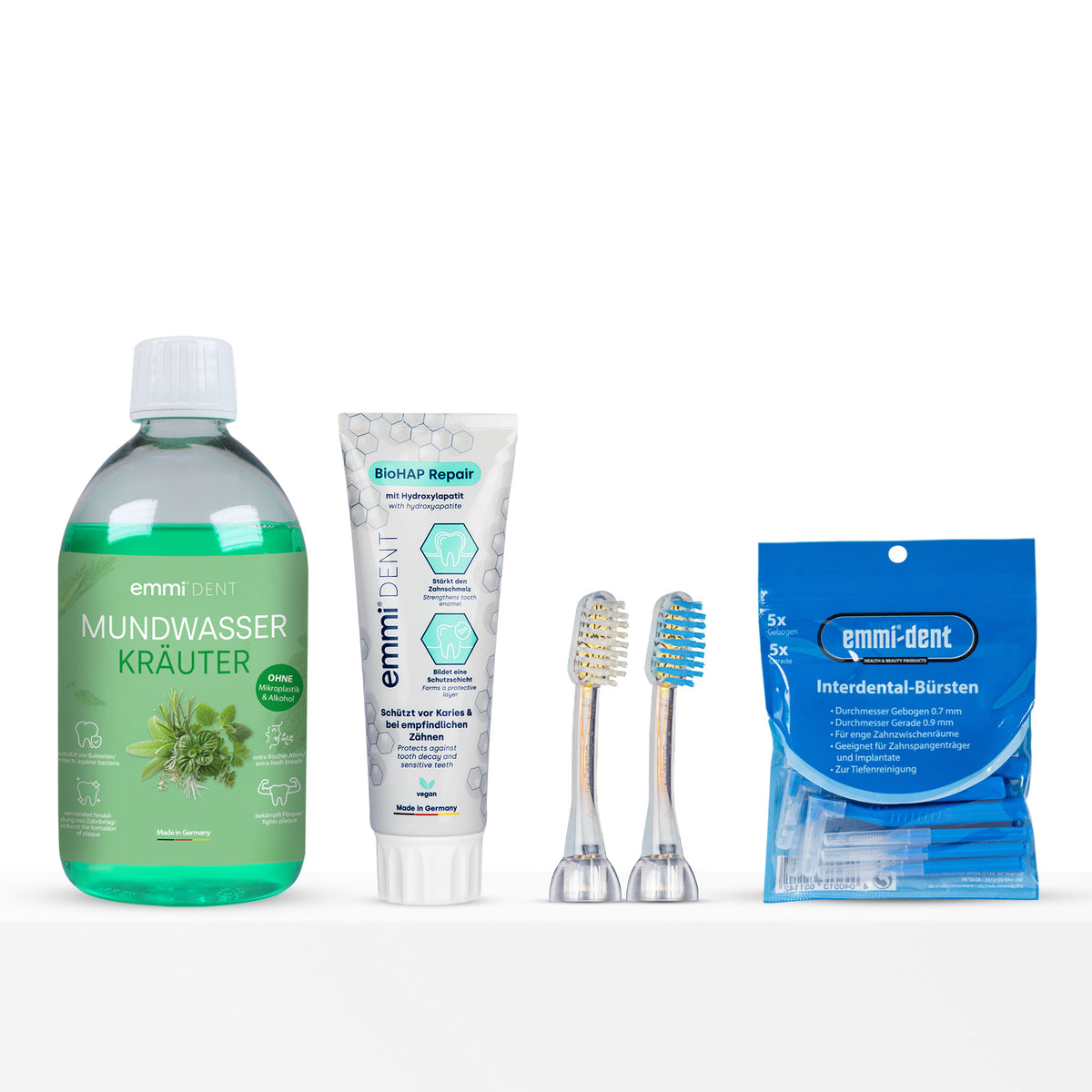
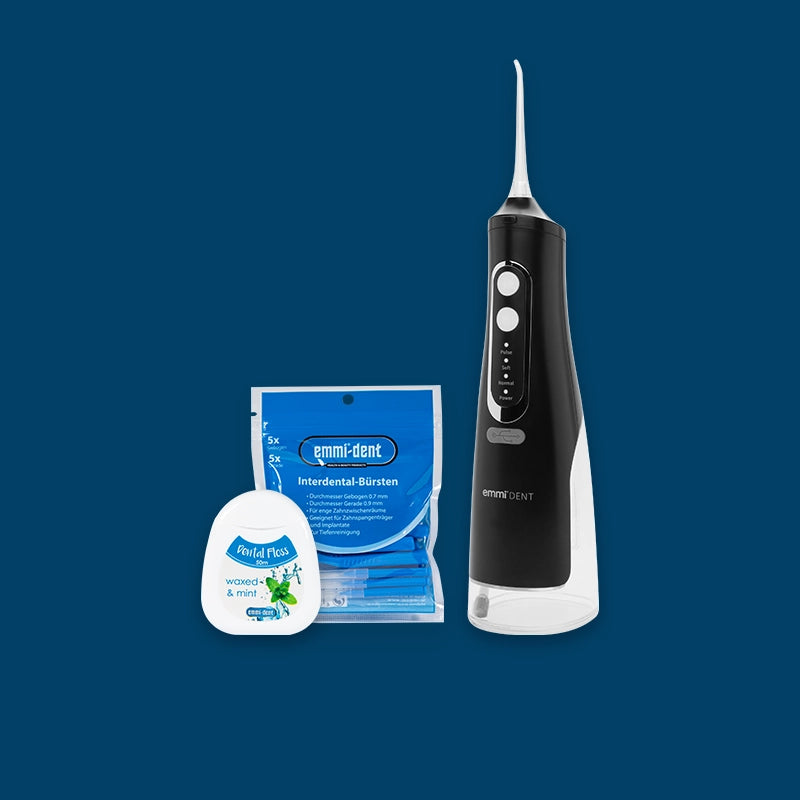
This primarily includes the transitions to the gums and the back teeth. The spaces between the teeth also need additional attention because a toothbrush alone has limited access there. Dental floss or suitable interdental brushes can therefore be a useful addition to your daily routine.
A look at your habits can also help. For example, if you are constantly eating small snacks or drinking sweetened drinks over many hours, the environment in your mouth changes more frequently. The point is not to ban specific foods completely. For your teeth, however, it makes a difference whether they also have longer breaks between meals and drinks.
And then there is that one spot your tongue keeps running over. If it doesn't become smooth again despite careful dental care, you shouldn't get obsessed with it. It might not be a soft deposit at all. Tartar, a small unevenness, or an altered filling edge require a different solution than more intensive brushing.
Good dental care should regularly reduce deposits while at the same time being as gentle as possible on your tooth surfaces. This exact combination is more important in the long term than the feeling of having worked particularly hard after every brushing.
Ultrasonic dental care: cleaning thoroughly without vigorous scrubbing
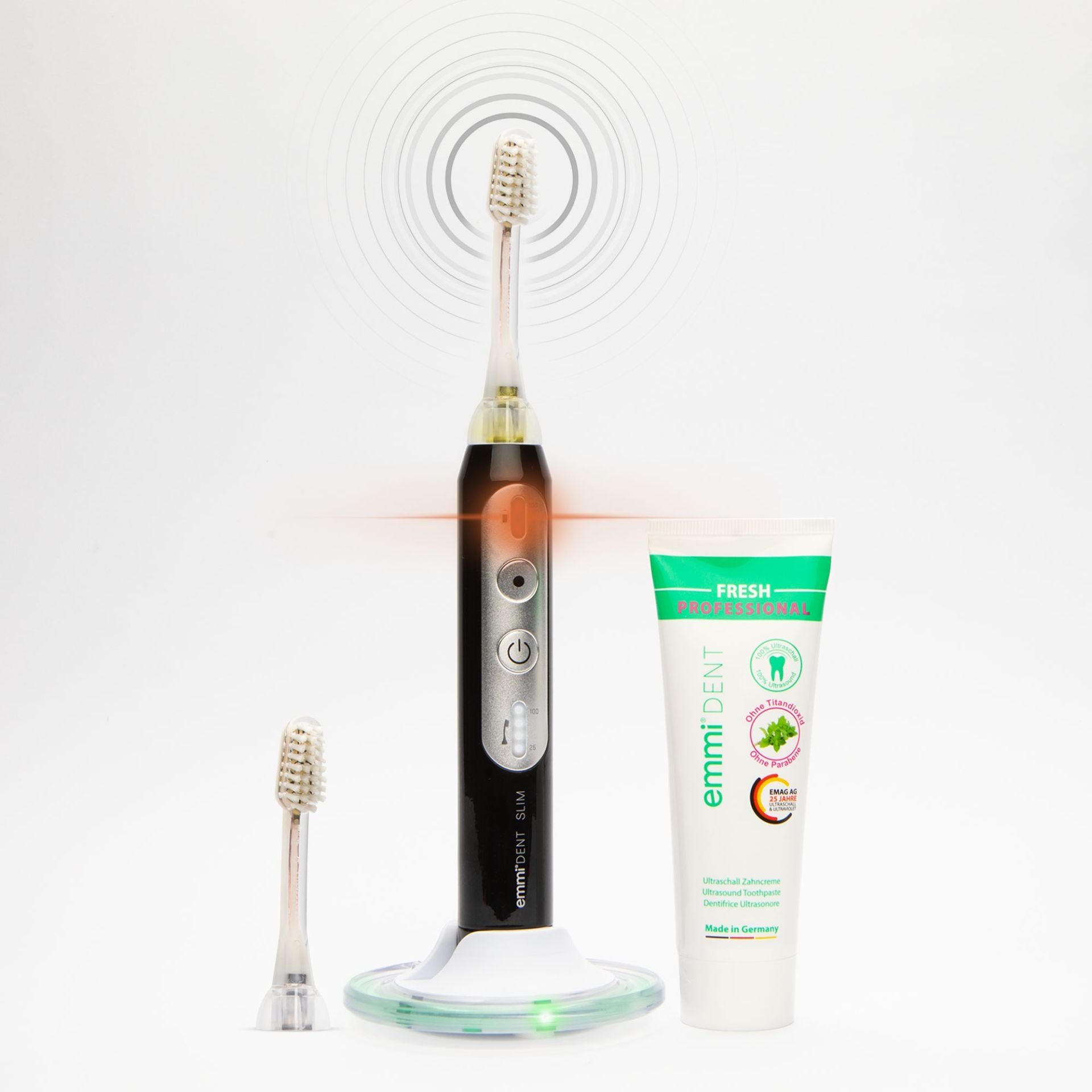
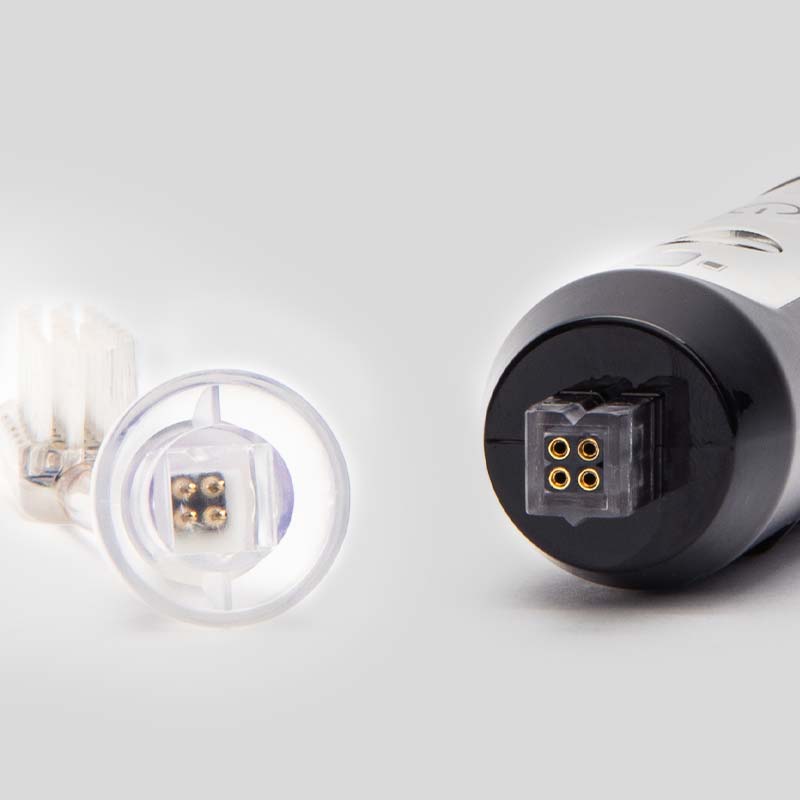
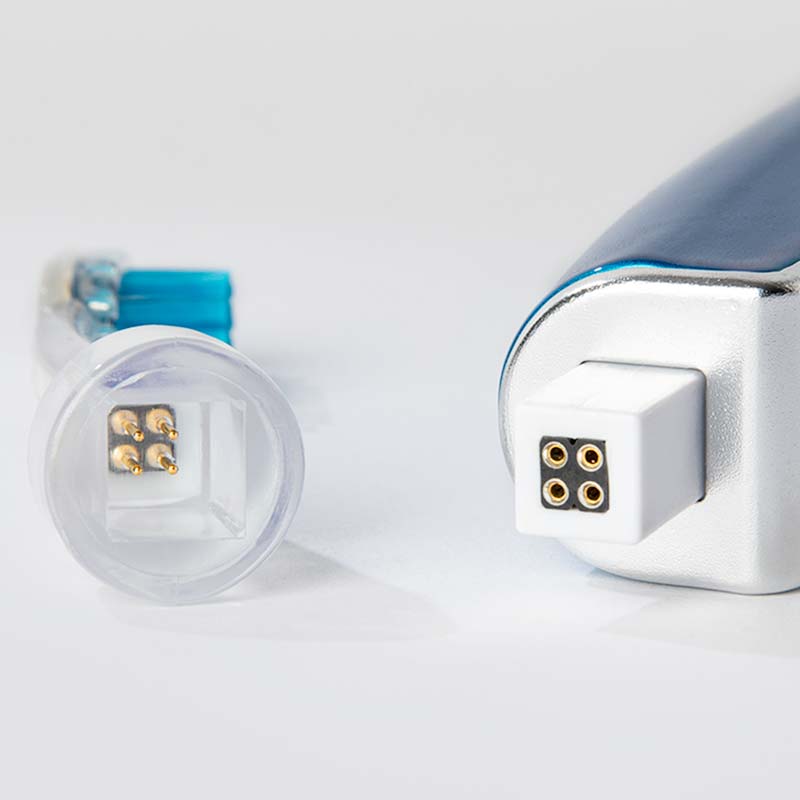
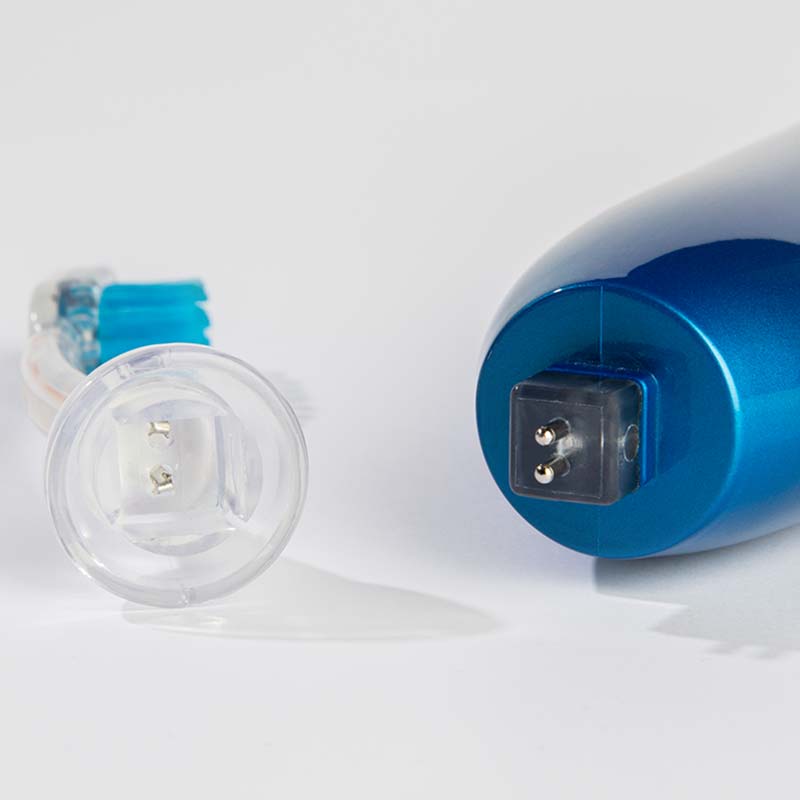
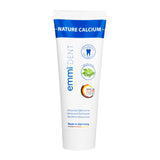
If you automatically apply more pressure when brushing because of a dull feeling on your teeth, a different cleaning concept might be interesting. Our emmi-DENT ultrasonic toothbrushes do not rely on you working on the tooth surfaces with vigorous mechanical movements.
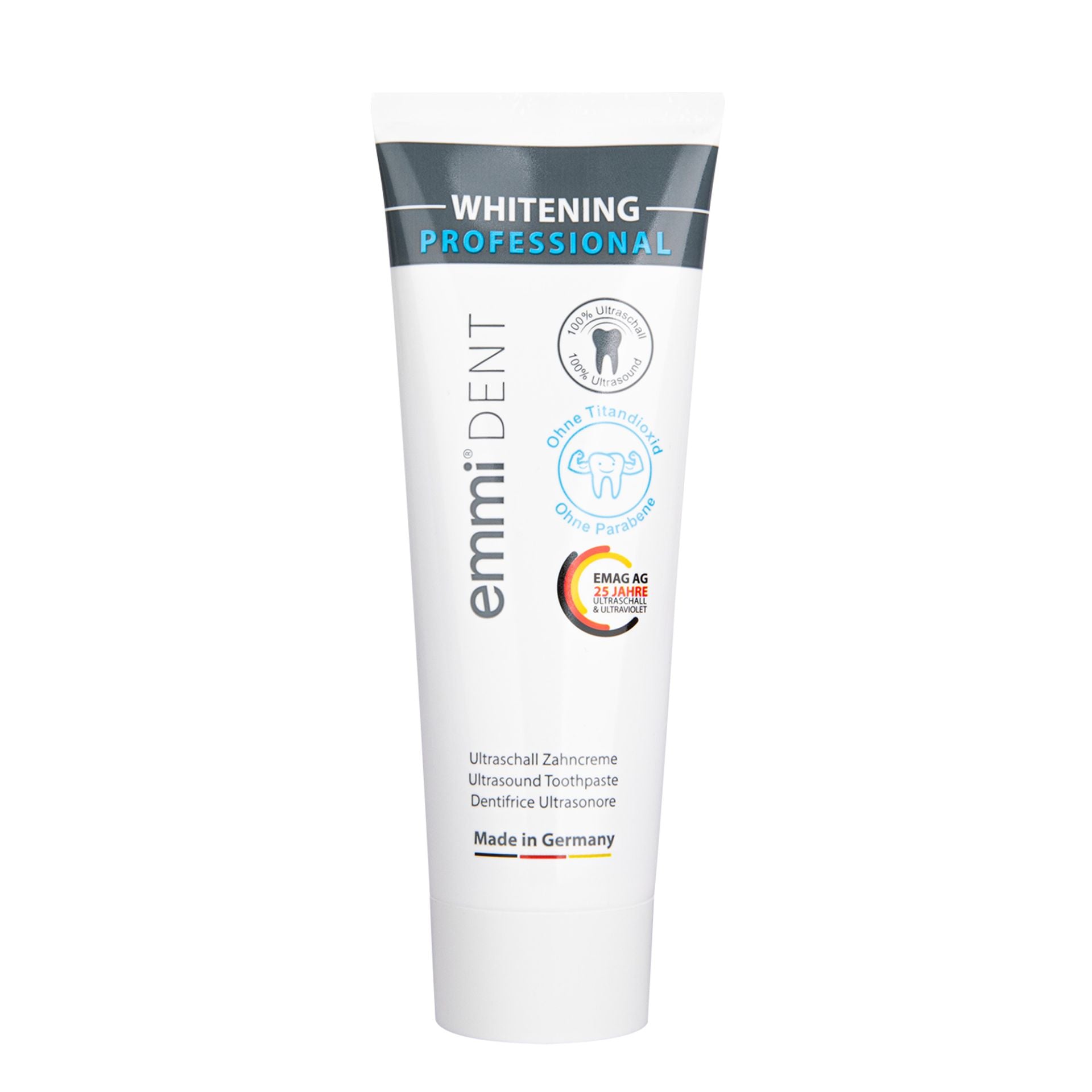
Our ultrasound technology generates up to 96 million multi-frequency vibrations per minute. In combination with the special emmi-dent ultrasonic toothpaste, microscopically small bubbles are created. The system is designed to support daily oral hygiene and help reduce bacterial deposits. The brush is held against the teeth section by section with light contact. Vigorous scrubbing is not necessary.
Especially if you tend to work on a supposedly rough spot again and again with particular intensity, this approach can help to make your brushing routine more conscious and gentle.
However, one limitation is important: An ultrasonic toothbrush does not remove existing tartar. If soft dental plaque has already mineralized, its removal belongs in professional hands. The same applies to rough spots caused by a damaged tooth surface, a filling edge, or other changes. Ultrasonic dental care does not replace a dental check-up or necessary treatment.
In the end, your tongue is a pretty good little sensor. It sometimes notices changes long before you can see anything in the mirror at all. If your teeth feel a bit duller after eating or at the end of the day and smooth again after brushing, this is often simply due to what has accumulated on the tooth surfaces throughout the day.
If, on the other hand, the same spot always remains rough, you should not try to get it smooth with more and more pressure. Have it checked and stick to thorough, but gentle oral care in the meantime. Because sometimes that little rough feeling on your tongue is actually the first hint that something has changed in that exact spot.